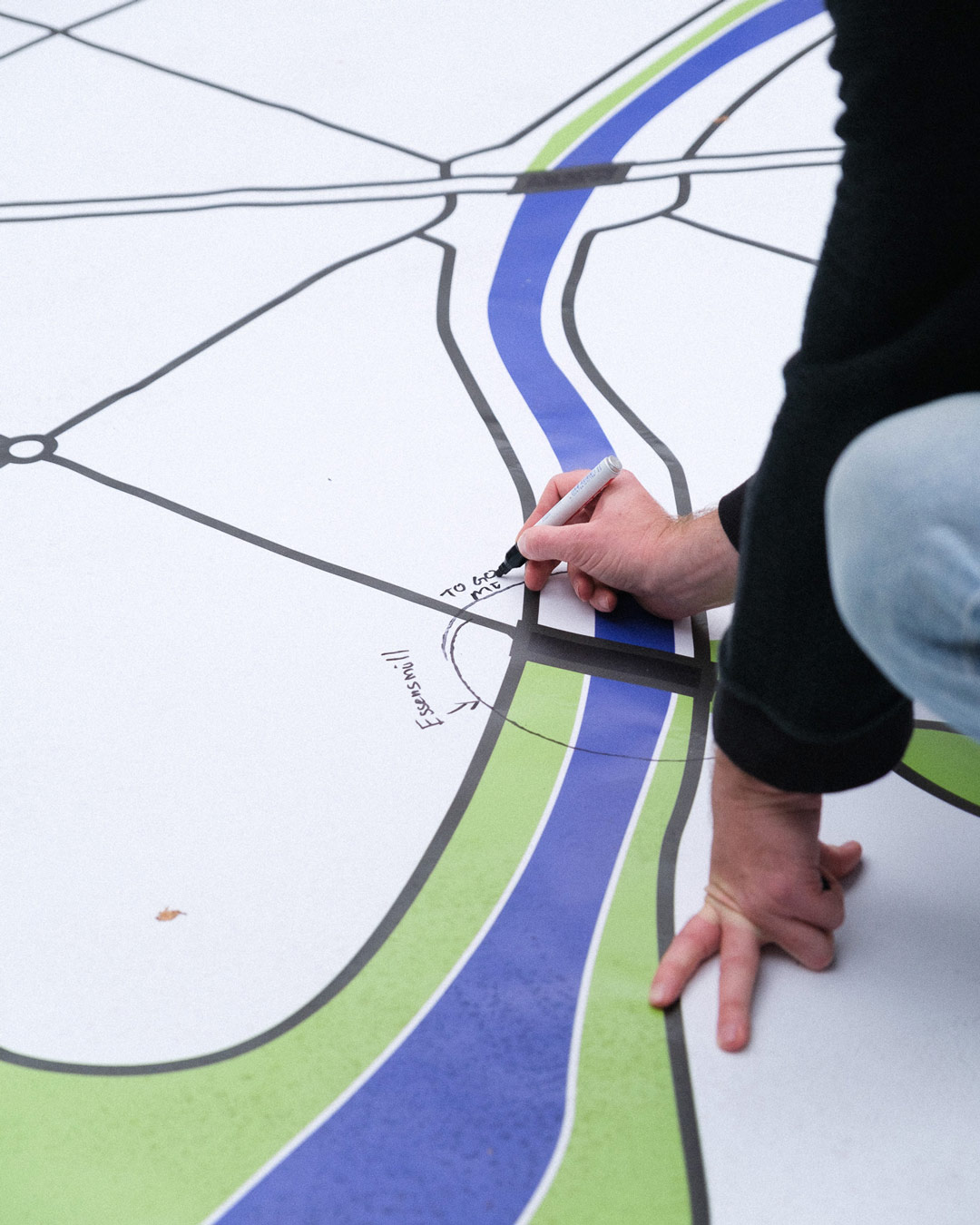
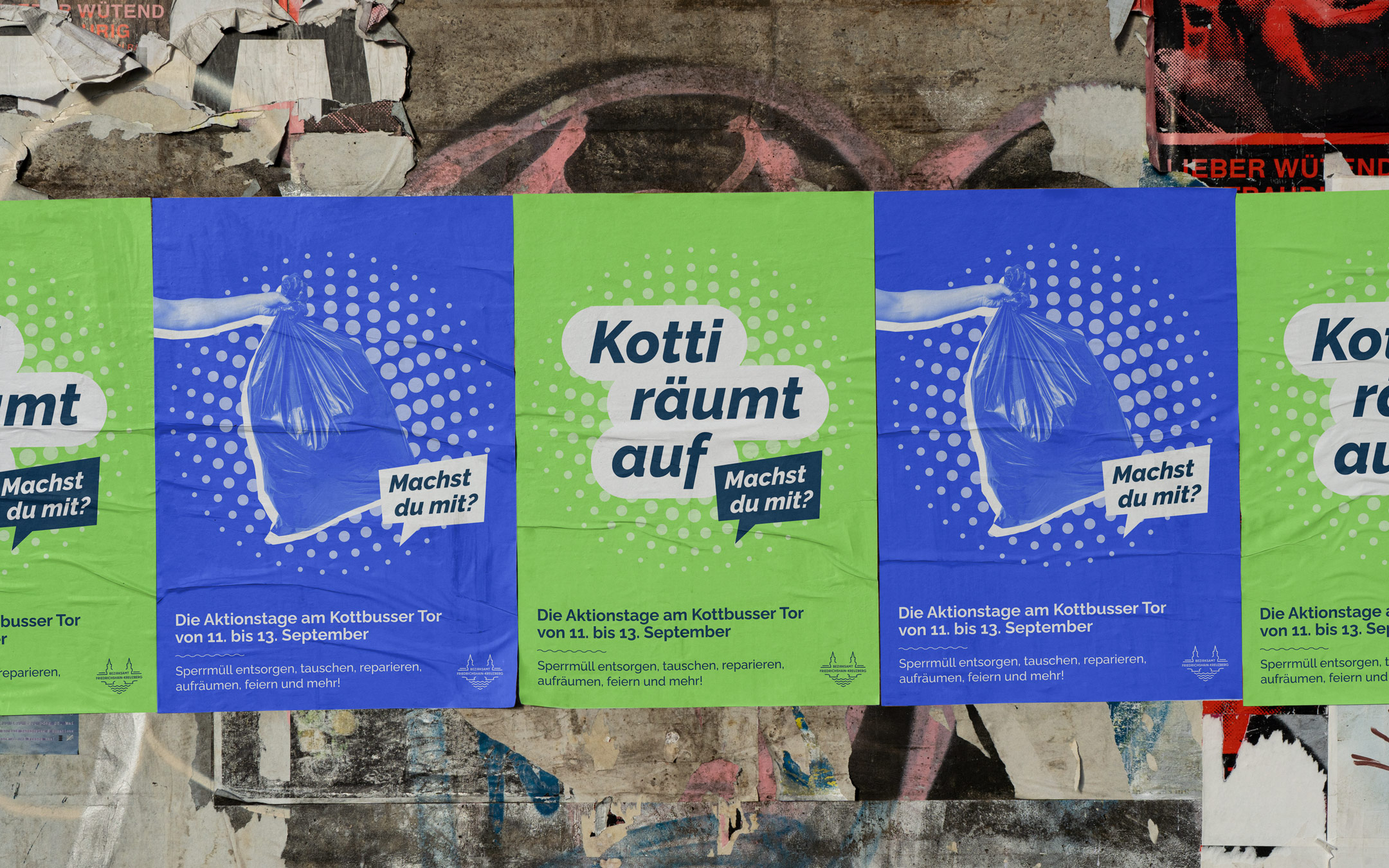
For Berlin’s district office Friedrichshain-Kreuzberg, we reframed urban cleanliness from a question of control to a shared, systemic responsibility. “Kotti räumt auf” brought administration, residents, local businesses, civil society, and tourism actors into one structured process. Through participatory workshops and system mapping, the initiative translated a complex, emotionally charged issue into an actionable roadmap with 12 prioritized leverage points and a concrete action plan for the Kottbusser Tor—designed to be transferable to other urban hotspots.
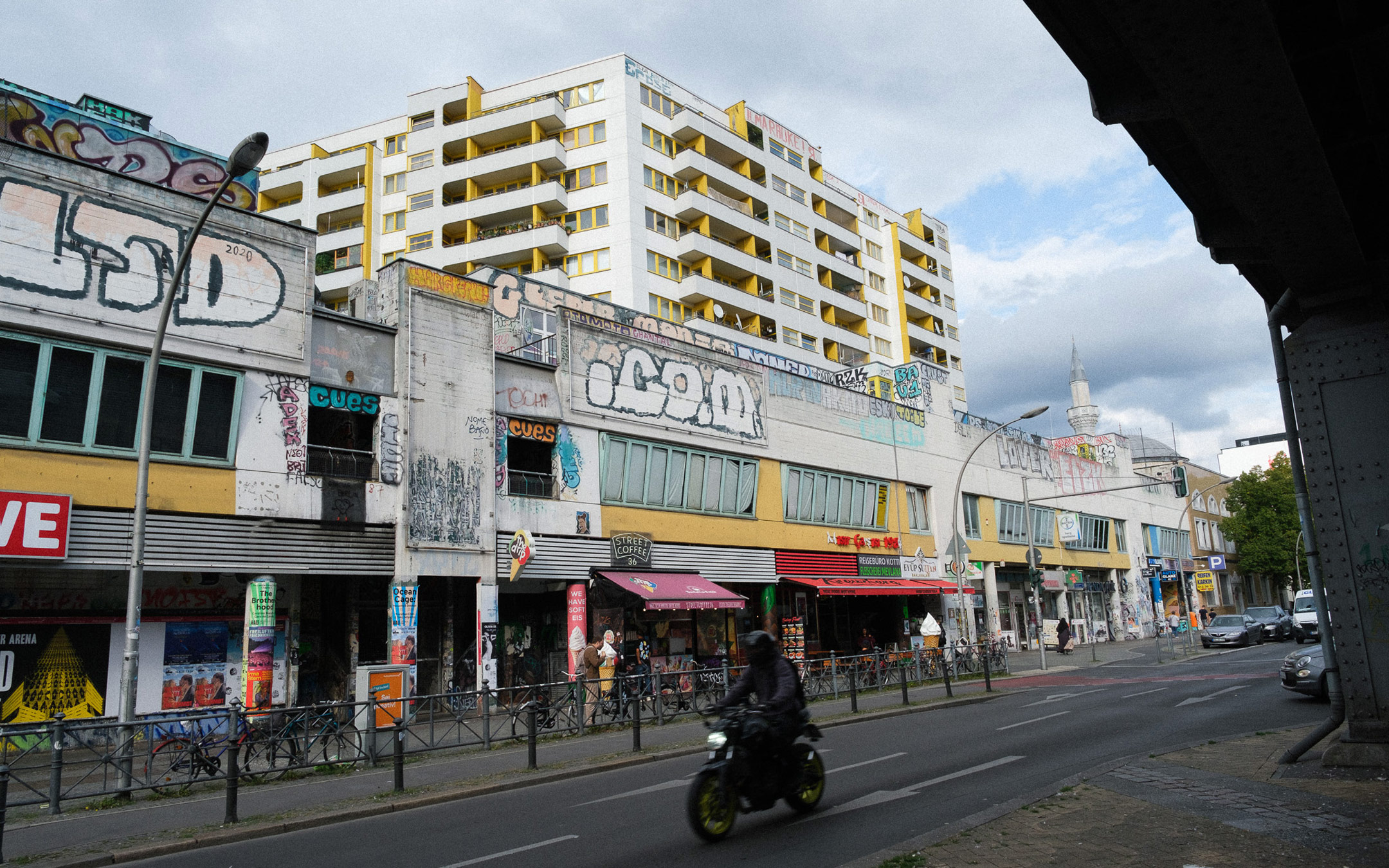
Waste and littering around Berlin’s infamous Kottbusser Tor are often treated as isolated incidents or enforcement issues. In reality, they are symptoms of a much deeper system: fragmented responsibilities, overloaded infrastructure, social routines, cultural narratives, and conflicting uses of public space. Previous measures focused on visibility—more cleaning, more rules—without addressing root causes. This led to frustration on all sides: residents felt unheard, businesses overwhelmed, visitors disengaged, and administration stuck between short-term reactions and long-term complexity. The challenge was not necessary a lack of ideas, but a lack of shared understanding and coordinated action.
Problem
Waste and littering around Berlin’s infamous Kottbusser Tor are often treated as isolated incidents or enforcement issues. In reality, they are symptoms of a much deeper system: fragmented responsibilities, overloaded infrastructure, social routines, cultural narratives, and conflicting uses of public space. Previous measures focused on visibility—more cleaning, more rules—without addressing root causes. This led to frustration on all sides: residents felt unheard, businesses overwhelmed, visitors disengaged, and administration stuck between short-term reactions and long-term complexity. The challenge was not necessary a lack of ideas, but a lack of shared understanding and coordinated action.
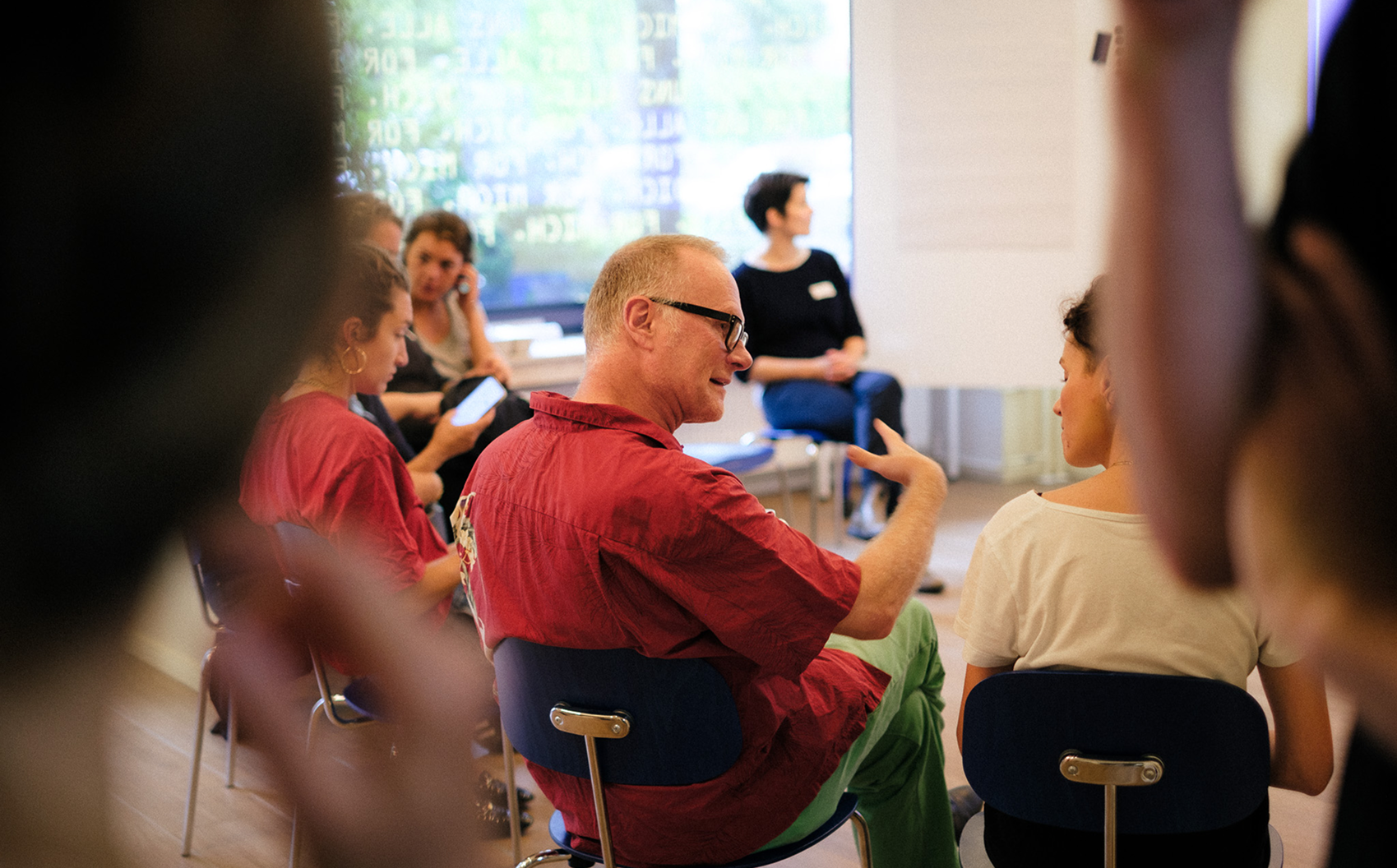
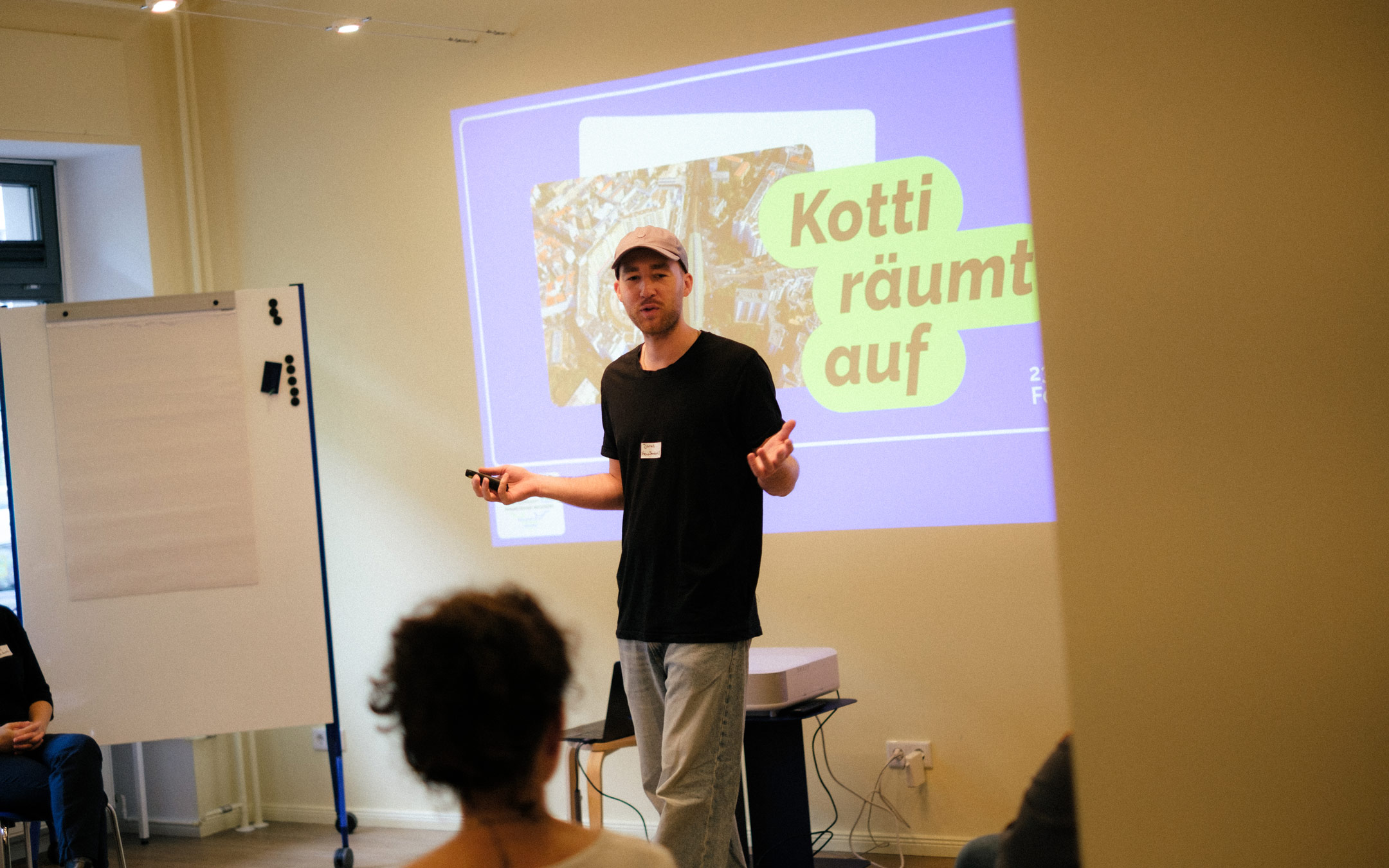
We designed and facilitated a multi-stakeholder process that made the system visible before jumping to solutions. Starting with a focus group, we used the Iceberg Model to distinguish symptoms, patterns, structures, and underlying mindsets. These insights were consolidated into a comprehensive Systems Map, creating a shared language between administration, local actors, and civil society.
In a subsequent ideas lab, participants worked on identified leverage points—shifting from analysis to actionable measures. The outcome was an action plan combining infrastructure, communication, governance, and social norms, with clear roles, priorities, and timelines.
Solution
We designed and facilitated a multi-stakeholder process that made the system visible before jumping to solutions. Starting with a focus group, we used the Iceberg Model to distinguish symptoms, patterns, structures, and underlying mindsets. These insights were consolidated into a comprehensive Systems Map, creating a shared language between administration, local actors, and civil society.
In a subsequent ideas lab, participants worked on identified leverage points—shifting from analysis to actionable measures. The outcome was an action plan combining infrastructure, communication, governance, and social norms, with clear roles, priorities, and timelines.
“Kotti räumt auf” changed the conversation from blame to collaboration. Stakeholders reported increased mutual understanding, clearer responsibilities, and higher willingness to contribute. The project resulted in 12 prioritized leverage points and three integrated action packages—from visible spatial interventions to long-term governance structures.
Most importantly, the roadmap allows the district to act strategically: aligning short-term measures with long-term systemic change, avoiding contradictory actions, and creating a foundation that can be scaled to other neighborhoods. The project demonstrated how participatory, system-oriented work can turn complexity into coordinated action.
Impact
“Kotti räumt auf” changed the conversation from blame to collaboration. Stakeholders reported increased mutual understanding, clearer responsibilities, and higher willingness to contribute. The project resulted in 12 prioritized leverage points and three integrated action packages—from visible spatial interventions to long-term governance structures.
Most importantly, the roadmap allows the district to act strategically: aligning short-term measures with long-term systemic change, avoiding contradictory actions, and creating a foundation that can be scaled to other neighborhoods. The project demonstrated how participatory, system-oriented work can turn complexity into coordinated action.


“Sustainability challenges in public space are rarely technical problems—they’re systemic ones. By mapping responsibilities, incentives, and everyday realities together with all stakeholders, we were able to turn a diffuse issue into a clear set of levers for action.”
— Jonas Kersting, Sustainability Consultant
“What made this project powerful was resisting the urge to jump into solutions. By first understanding the system behind the mess, we created a roadmap that people could actually commit to—across departments, roles, and perspectives.”
— Maximilian Mauracher, Circular Strategist